


In past couple of year Bubble Tea or you can say BOBA Tea gain much popularity, these pearls looks playful but are they really safe to consume. These tapioca boba pearls are made up of cassava, a root which readily absorbs heavy metals from the soil. This Taiwanese Drink gain its popularity since it’s origin in 1980s and now in the modern era of social media it spreads worldwide.
Table of Contents
What is Bubble Tea?
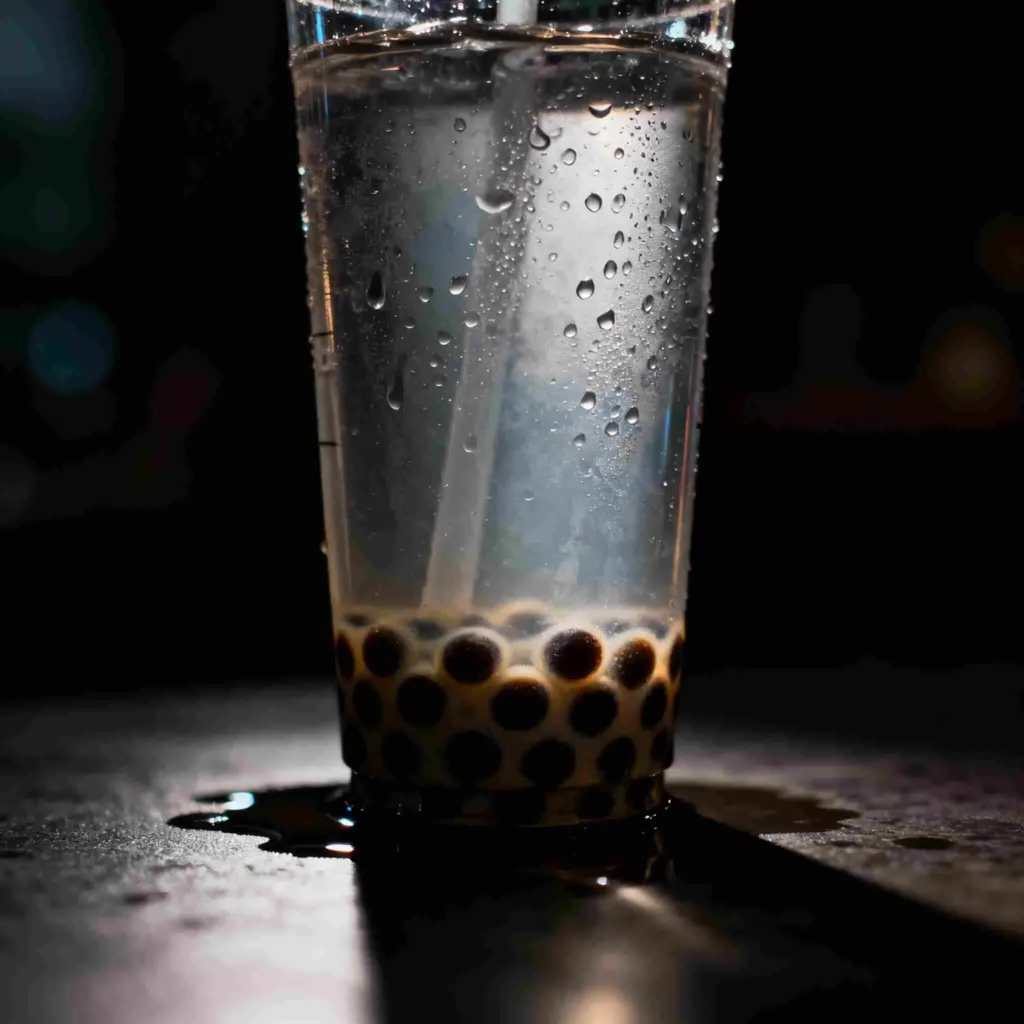
Bubble Tea or Boba Tea is a Taiwanese beverage made up of black tea, milk, sugar and boba pearls made up of tapioca starch extracted from the cassava root. This tapioca starch from the cassava roots, mixed with water to form a dough and then rolled into small balls, brown sugar or food colors are added to them while cooking to give them their colorful appearance.
You just have have to make a regular cold tea, by adding black tea with milk and sugar and add these boba pearls or bubbles to make a boba tea or bubble tea.
Kids and Young adults like boba tea because of it’s appearance, colorful pearls settled down in glass of tea. But, they are not aware that these pearls are toxic for them.
Is Boba Tea or Bubble Tea Healthy?
No, Boba Tea or Bubble Tea are not at all healthy. There are numerous effects associated with regular consumption of Boba Tea. In young kids, these boba pearls can be a cause of chocking. According to the latest data published from New York State Department of Health, one child dies every 5 days from chocking on food.
Even for adults chocking from food is a concern, not much as in children but it persist. In China a case reported that in 2019 a 19 Years old girl died due to chocking from boba pearls. Beyond chocking, boba tea are highly capable of giving you the blood sugar spike. A cup of Boba Tea contains 30 – 50gms of sugar, even more compared to a can of Coca-Cola. These pearls are so rich in starch that leads to delay inn stomach emptying, a condition called gastroparesis, and in some rare cases it can lead to intestinal blockage.
Several studies conducted, which shows of risk of getting Kidney stones and gall bladder stones in person who frequently consume these boba pearls.
A study conducted in China, linked Boba Tea consumption to mental health. Person who frequently drink Boba tea are at higher risk of getting anxiety, depression, burnout in adults, these are correlations, not causation.
Boba Tea can cause heavy metals toxicity?
Boba pearls are made from tapioca starch extracted from cassava roots, which are known for its property of absorption of heavy metals from soil. A recent consumer report found that, although none of the four boba products tested had lead levels above the group’s safety threshold, three came close—reaching over 50% of the limit in just one serving.
In two chain drinks, the liquid sometimes had more lead than the tapioca pearls. The test showed no risk from arsenic, cadmium, or mercury in a single serving, but it’s important to note that there is no truly safe level of lead exposure.
Is it safe to consume boba tea daily?
No, it is not recommended to consume boba tea or any beverage loaded with these starchy pearls on a daily basis. Several harmful effects associated with its daily consumption which I hope you already read above. I am not saying that you don’t have to drink in your whole life, neither I am stating that Boba Tea should get banned. You can try it once in a while, just as fun beverage but in health point of view, it’s a big no.
For child and young kids, me as a doctor would advise you to keep it at a huge distance. Chocking from food in children is still a major issue and one of the leading cause that make parents run to emergency department. So, by getting it’s true picture in your mind you can have it once in a while, but not so frequently.
Disclaimer: This article is written by medical professional, after a deep research. This article is for educational purpose only. We are not saying to boycott or ban boba tea or pearls, we are providing a information about it’s harmful effects to people who consumes it without knowing the real picture. The one and only aim is to share the education only. if you found this article helpful, then please share it with curious readers like you.


