


Table of Contents
Introduction
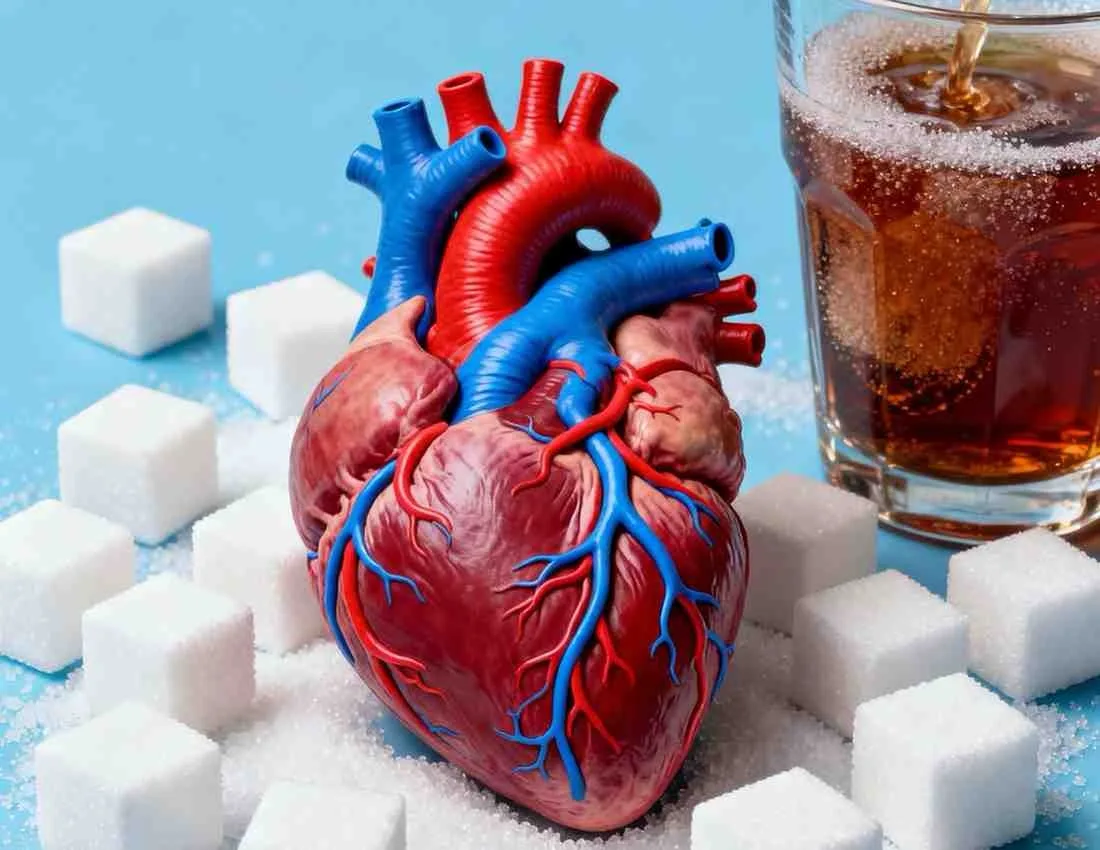
A growing body of recent research consistently shows that high sugar intake is a major risk factor for heart disease, independent of cholesterol levels or body weight. Excess sugar damages the heart by raising blood pressure, spurring the liver to release harmful fats, and increasing inflammation that harms blood vessels.
Studies as recent as 2025 from leading institutions such as the American Heart Association and global research universities affirm that consuming 25% or more of daily calories from added sugar can more than double the risk of dying from heart-related conditions.
Many people are unaware of just how much sugar they consume daily, often thanks to hidden sugars in processed foods, sugary drinks, and even items that don’t taste sweet, like sauces or breads. This high sugar consumption quietly puts an enormous strain on your cardiovascular system.
Have you ever noticed how much sugar are you consuming daily, or in your drinks. If you are a healthy eater, then i think the answer is yes otherwise, i think no one noticed how much of their calories are coming from sugar.
Why Sugar Is Harmful to Your Heart
Sugar does more than add empty calories; it actively disrupts your cardiovascular system through several damaging pathways:
- Inflammation: Diets high in added sugar cause chronic inflammation, which is harmful to the blood vessels. This inflammation damages the lining of arteries and accelerates atherosclerosis, or hardening of the arteries (Harvard Health Publishing, 2022). When inflammation persists, it damages vessel walls, making it easier for fatty plaques to build up, restricting blood flow, and increasing heart disease risk.
- High blood pressure: Consuming excessive sugar promotes elevated blood pressure, a main and well-known risk factor for heart attacks and strokes. According to research published in the European Journal of Public Health (October 2024), sugar’s role in increasing systolic blood pressure is significant, leading to hypertension in many cases. High blood pressure forces the heart to work harder, and over time, this strain can cause heart failure or other cardiovascular problems.
- Elevated triglycerides: Sugar consumption leads to increased triglyceride levels, a type of fat in the blood strongly linked to heart disease. The liver processes sugar similarly to alcohol, turning it into fat, including triglycerides, which accumulate in the bloodstream. High triglycerides thicken the blood and contribute to plaque buildup in arteries, raising the risk of heart attacks (Medical News Today, December 2024).
- Insulin resistance and diabetes: Excess sugar intake over time can cause your body to become resistant to insulin, the hormone that helps regulate blood sugar levels. This condition often leads to type 2 diabetes, which significantly increases heart disease risk. The Friedman School of Nutrition Science and Policy in 2025 reported that sugary beverages alone account for over a million new cases of heart disease and 2.2 million new cases of diabetes worldwide annually.
Also Read:
Latest Scientific Consensus and Health Recommendations
While high LDL (“bad”) cholesterol remains a known critical factor in heart disease, the latest evidence highlights that excessive sugar intake is at least as dangerous, if not more so, in contributing to cardiovascular mortality.
A landmark meta-analysis published in 2025 in JAMA Internal Medicine found that individuals consuming 25% or more of daily calories from added sugars had over twice the risk of dying from cardiovascular causes compared to those consuming less than 10%.
The American Heart Association, a leading authority on cardiovascular health, recommends limiting added sugar intake to no more than 6 teaspoons (about 100 calories) per day for women and 9 teaspoons (about 150 calories) per day for men. Unfortunately, many people consume two to three times these recommended amounts, primarily due to the widespread availability of sugary processed foods and sweetened beverages.
Reducing sugar intake is not just about counting teaspoons but also about making healthier food choices. Reading nutrition labels carefully can help you identify added sugars hidden in many products. Common deceptive labels include terms like “corn syrup,” “fructose,” “dextrose,” and “maltose,” all of which are forms of sugar.
How to Protect Your Heart by Managing Sugar Intake
Improving heart health by managing sugar intake is possible for everyone and worth the effort. Here are some practical tips:
- Choose whole fruits instead of sugary snacks and desserts. Whole fruits come with fiber that slows sugar absorption and provide vitamins and antioxidants beneficial to heart health.
- Avoid sugary drinks like sodas, energy drinks, and sweetened teas. Opt for water, herbal teas, or infused water with natural flavors like mint or lemon slices.
- Cook meals at home as much as possible, which allows you to control ingredients, including the amount of sugar used.
- Be cautious with processed foods, as they often contain hidden sugars. Choose foods with minimal or no added sugars, such as plain yogurt instead of flavored varieties.
- Maintain a balanced diet rich in vegetables, whole grains, lean protein, and healthy fats, which support overall cardiovascular health.
Adopting these changes can reduce inflammation, improve blood pressure, regulate triglycerides, and lower chances of insulin resistance, all protecting your heart for the long term.
When to Consult a Healthcare Professional
While dietary modifications can substantially reduce heart disease risk, it is crucial to seek personalized medical advice if you have existing heart conditions, diabetes, or other risk factors. Cardiologists and dietitians can offer tailored plans and support based on your unique needs.
Heart attack (Myocardial Infraction) is one of the leading cause of sudden death worldwide. Chest pain or shortness of breath on exertion such symptoms should not be avoided and seek medical attention.
Diabetes, Dislipidemia and Hypertension (High Blood Pressure) are predominantly most common cause that lead to heart disease, if you or anyone in your home has such conditions then go for a regular checkup.
Disclaimer: This article is for informational purposes only and is not a substitute for professional medical advice. Please consult your doctor or healthcare provider before making any changes to your diet or health routine. The author and this blog are not responsible for any health decisions made based on this information.


