


Huntington’s disease is a serious inherited condition that gradually damages the brain, affecting a person’s ability to move properly, think clearly, and manage their emotions.
It usually starts showing symptoms between the ages of 30 and 50 and slowly gets worse over 10 to 25 years. Sadly, until recently, no treatment could stop the disease from getting worse — only help ease some symptoms.
But now, scientists have made an exciting breakthrough. They have developed a new treatment using gene therapy that can slow down the progression of Huntington’s disease by about 75%.
This treatment, called AMT-130, brings fresh hope to patients and families who have long been waiting for something to change the course of this tough disease.
What is Huntington’s Disease?
Huntington’s disease is caused by a tiny mistake in a gene called the huntingtin gene. Because of this mistake, the body makes a harmful protein that builds up in the brain and slowly damages brain cells.
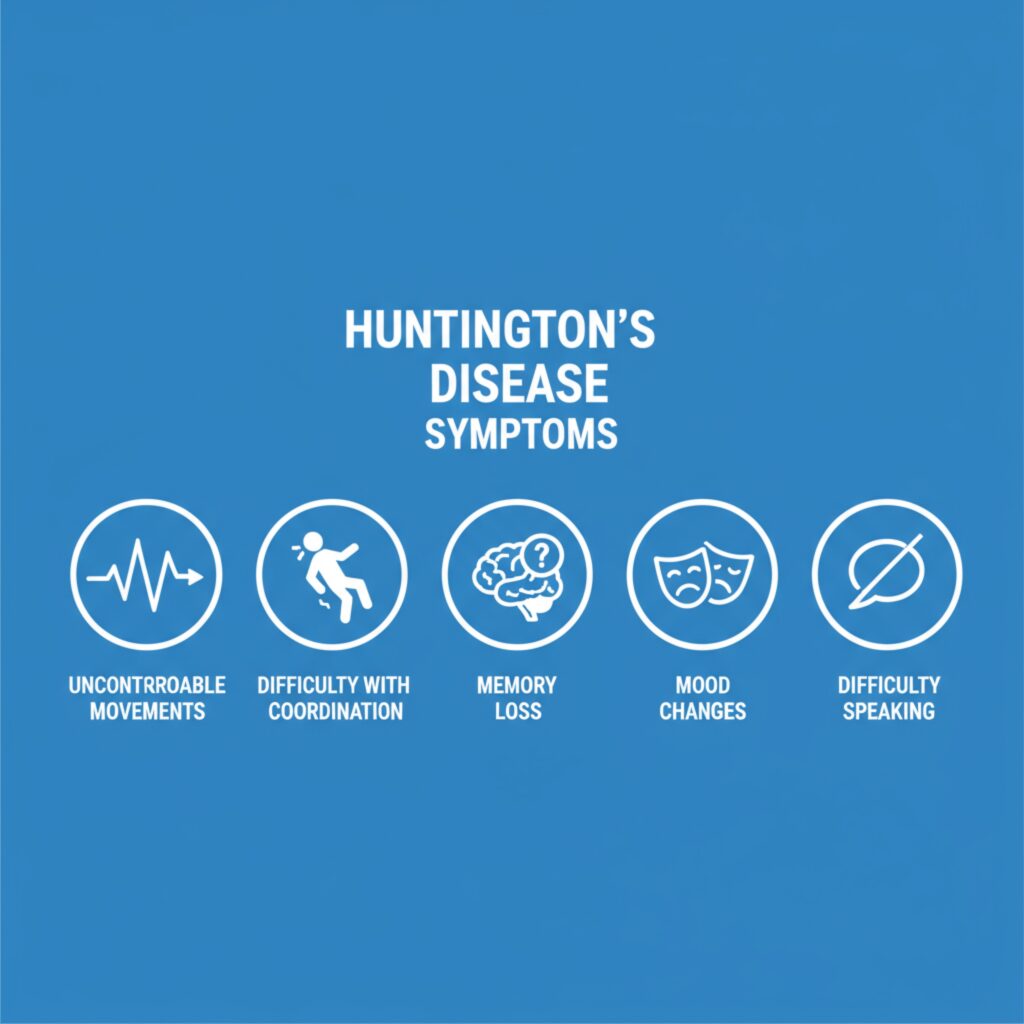
This damage leads to problems with movements, memory, thinking, and mood. As the illness worsens, people find it harder to do everyday things and often lose their independence.
How Does the New Gene Therapy Work?
The new treatment, AMT-130, uses a clever technique that targets the cause of the disease—the faulty huntingtin gene. Instead of just helping with symptoms, it tries to stop the harmful protein from being made in the first place.
To do this, doctors perform a one-time brain surgery to deliver the gene therapy directly into the brain. The treatment uses a tiny, harmless virus as a delivery vehicle to carry genetic instructions into brain cells. These instructions help the cells reduce production of the harmful huntingtin protein, protecting the brain from further damage.
What Have We Learned From the Clinical Trials?
In a clinical trial involving 29 patients, those who received a high dose of AMT-130 showed a remarkable slowing of the disease over three years. On a scale that measures how the disease progresses, treated patients performed much better than those who did not get the treatment—losing about 75% less function.
Some patients even experienced impressive improvements in their lives. For example, one person who had to stop working because of Huntington’s was able to return to their job after receiving the therapy.
Why is This Important?
This is the first time a treatment has been shown to slow the worsening of Huntington’s disease, rather than just managing symptoms. It offers patients a chance to maintain their daily activities, keep working, and enjoy a better quality of life for longer.
Experts describe this breakthrough as “world-changing” and are hopeful that AMT-130 will soon be licensed as the first treatment to change the course of Huntington’s disease.
What’s Next?
The next steps are to make sure AMT-130 is widely available to those who need it. Researchers are continuing to study the safety and effectiveness of this treatment, and there is hope that a one-time therapy like this could provide lasting benefits.
Scientists are also working hard to develop even better treatments that can help even more in the future.
This gene therapy breakthrough is a beacon of hope for the Huntington’s disease community, offering a new way to fight the disease at its root and improve the lives of many people affected by this once untreatable illness.


